Why Carbon Steel is the Purist's Choice
At CHARLES L DUNLAP, we champion high-carbon steel for its unparalleled ability to achieve and maintain a razor-sharp edge. For the discerning user who values ultimate performance and character, carbon steel stands alone.
Unlike many stainless steels, carbon steel can be heat-treated to an extreme hardness, allowing for a finer, more precise edge geometry that slices through ingredients with minimal effort. This superior hardness translates directly into incredible edge retention, meaning your blade stays sharper, longer. And while it develops a unique patina that tells its story of use, this characteristic is not just aesthetic – it's a protective layer that enhances the very soul of the knife.
Carbon Steel vs. Stainless Steel: A Performance Comparison
Understand the fundamental differences that set high-carbon steel apart for those who demand uncompromising performance.
| Attribute | High-Carbon Steel | Stainless Steel |
|---|---|---|
| Edge Retention | Superior – Achieves and holds incredibly fine edges. | Good to Very Good – Varies greatly by alloy. |
| Ease of Sharpening | Excellent – Responds quickly to sharpening, forgiving. | Varies – Can be harder and more time-consuming to sharpen. |
| Toughness | Very High – Resists chipping and breakage under stress. | Good to High – Generally good, but some can be more brittle. |
| Corrosion Resistance | Low – Requires diligent care to prevent rust and staining. | Very High – Designed for maximum corrosion resistance. |
| For those who prioritize raw cutting performance, ease of sharpening, and are willing to provide simple, routine care, carbon steel is unrivaled. | ||
The Beauty of Patina: A Blade with a Story
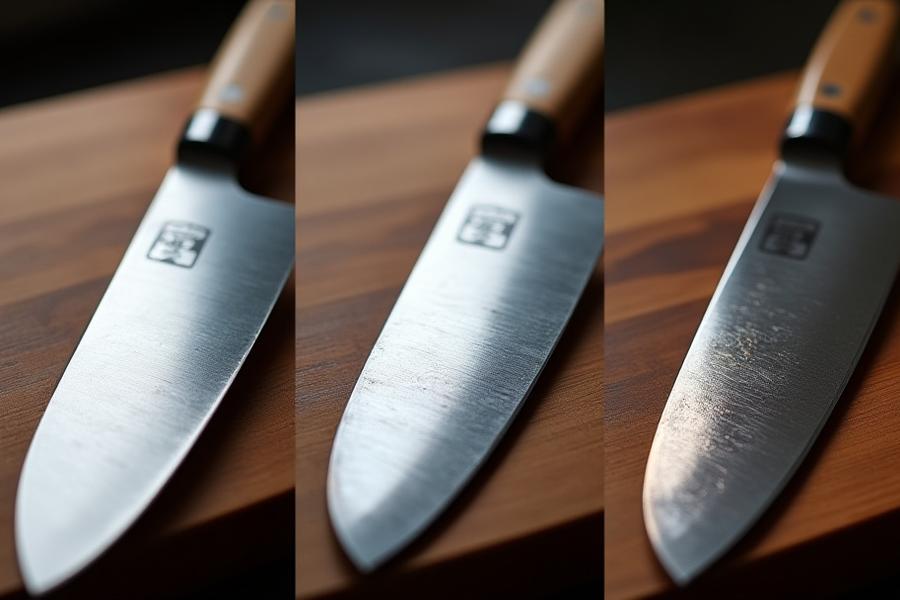
Unlike stainless steel, a carbon steel blade reacts naturally with the foods it cuts, developing a unique, ever-evolving patina over time. This beautiful, protective layer of oxidation is more than just discoloration – it tells the story of every meal prepared and every task accomplished.
Each slice of an onion, each cut of meat, contributes to a deepening character, forming a natural shield against rust and giving your blade a distinct personality. This is the mark of a well-loved, well-used tool, cherished for its performance and the narrative it builds.
Our Carbon Steel Masterpieces
Explore a selection of our hand-forged carbon steel blades, each a testament to timeless craftsmanship and cutting prowess.
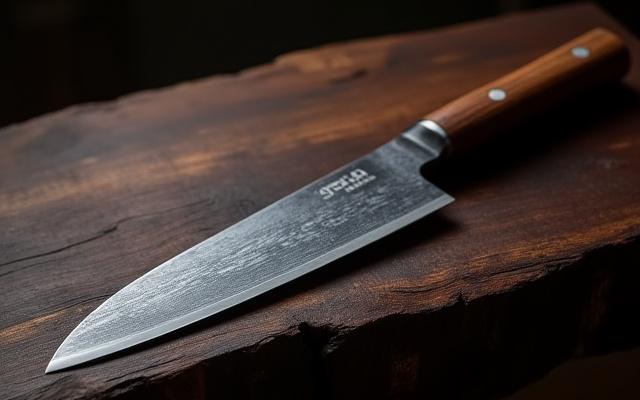
The Artisan Gyuto
A versatile kitchen workhorse crafted from 52100 high-carbon steel, featuring a striking dark forced patina.
Steel Type: 52100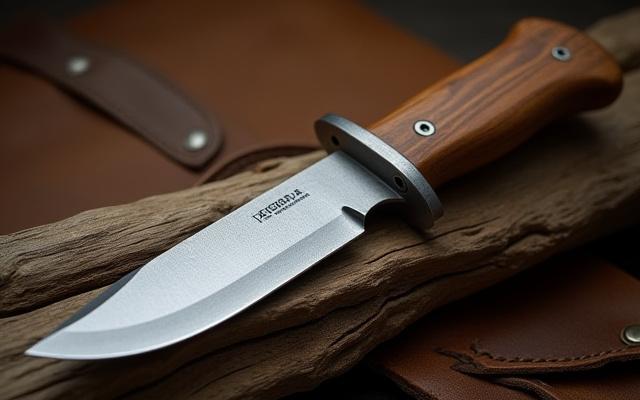
The Huntsman's Blade
A rugged W2 carbon steel hunting knife, showcasing a beautifully polished hamon from its meticulous differential heat treatment.
Steel Type: W2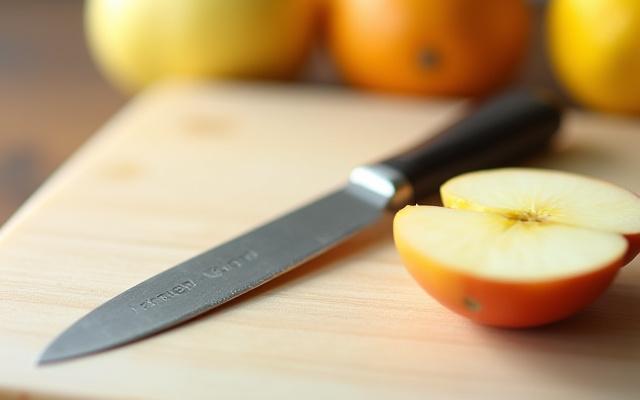
The Precision Paring
Nimble and precise, this 1095 carbon steel paring knife displays a subtle, natural food-developed patina, proof of its daily utility.
Steel Type: 1095Mastering the Art of Care for Your Carbon Steel Blade
With a little attention, your carbon steel knife will deliver a lifetime of unparalleled performance. Here’s how to ensure its longevity.
-
Wash and Dry Immediately
After every use, hand wash your carbon steel knife with mild soap and water. It is crucial to thoroughly dry it immediately with a soft cloth. Never leave it to air dry or, under any circumstances, place it in a dishwasher.
-
Oil Regularly
To prevent rust, apply a thin, food-safe mineral oil (or camellia oil) to the blade regularly, especially in humid environments or if storing for an extended period. A light coat provides an essential barrier.
-
Embrace the Patina
The unique discoloration that develops on your carbon steel blade is a natural, protective patina. Do not try to scrub it off; it's a badge of honor and helps guard against corrosion. It adds character and history to your knife.
-
Store Properly
Store your carbon steel knife in a dry environment. A wooden knife block, magnetic strip, or a saya (blade cover) is ideal. Avoid storing it in drawers where it can rub against other utensils, potentially damaging the edge or fostering moisture.